

Storm phobia is a form of anxiety that affects both dogs and cats in response to storm-related stimuli. While some pets may seem only mildly unsettled, others experience intense fear that can be emotionally and physically distressing. For these pets, storms are not simply unpleasant—they are frightening events.
With early recognition and a thoughtful, multi-layered approach, many pets can learn to cope more comfortably with storms and feel safer in their own homes.
What Is Storm Phobia?
Storm phobia is an anxiety response triggered by aspects of storms such as thunder, wind, pressure changes, or flashes of light. The severity can vary widely, from subtle restlessness to panic-driven behaviors that may result in injury or property damage.
Because storm-related cues can begin well before thunder is audible, some pets start to feel anxious long before the storm actually arrives, allowing fear to build over time.
Common Signs of Storm Phobia in Pets
Pets experiencing storm phobia may show one or more of the following signs during storms:
- Crying, whining, trembling, pacing, panting, or restlessness
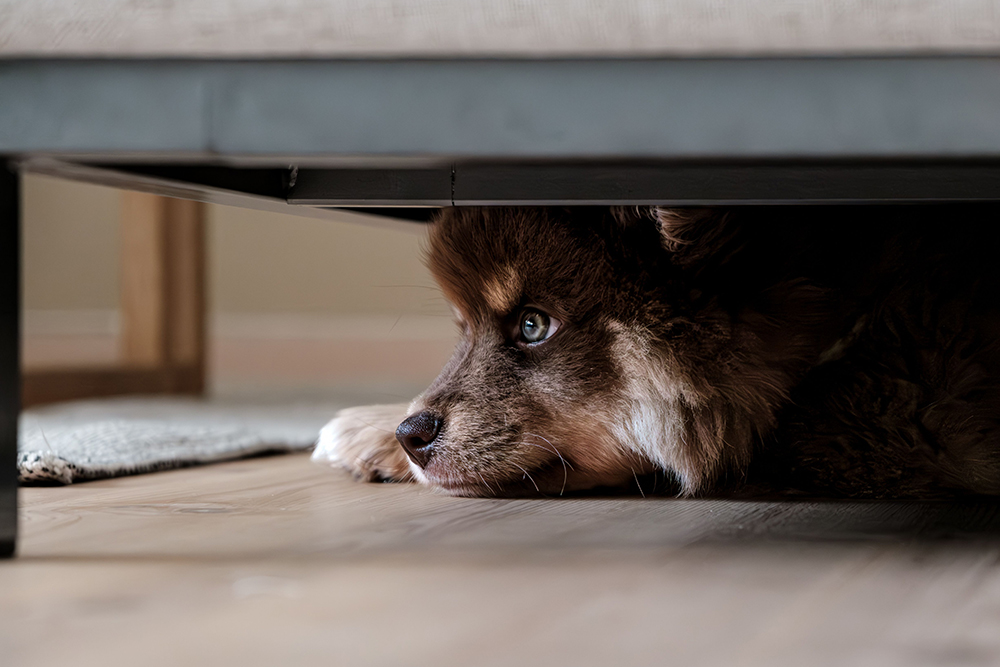
- Hiding in enclosed or dark spaces, often bathrooms or closets
- Urinary or fecal accidents during storm events
- Destruction of household items or doors
- Self-injury while attempting to escape or hide
These behaviors are not willful or attention-seeking—they are signs of true fear and panic.
Why Early Intervention Is Important
Storm phobia tends to worsen over time if left unaddressed. Each storm reinforces the pet’s fear response, making future storms more distressing.
While medications can be extremely helpful, behavioral modification remains essential. When training and conditioning are not incorporated, medications often become less effective over time or require frequent dose adjustments.
The most successful treatment plans address both the emotional response and the environmental triggers associated with storms.
Behavior Modification Strategies for Storm Phobia
Every pet’s plan should be individualized, but the following strategies are commonly helpful.
Desensitization to Storm Stimuli

Many pets react to early cues that signal a storm is coming, such as:
- Increasing wind sounds
- Distant thunder
- Barometric pressure changes
- Flashes of light
Because storms cannot be fully replicated, desensitization can be challenging. However, some pets benefit from gradual exposure to recorded storm sounds played at very low volumes.
Key principles include:
- Start at a volume that does not cause anxiety
- Gradually increase volume over time
- Continuously reward calm behavior with treats, play, or praise
The goal is not to “force” tolerance, but to gently change how the pet emotionally interprets the sound.
Changing the Meaning of the Storm
Another approach is to pair storms with something positive.
Food-Based Distraction
Long-lasting, high-value food rewards may include:
- Puzzle feeders
- Treat-dispensing toys
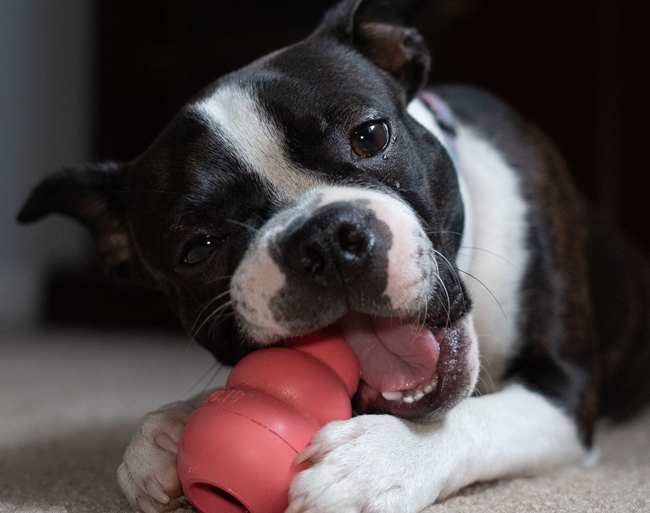
- Frozen Kongs with peanut butter or canned food
These rewards should be special and associated only with storm events.
Play-Based Distraction
For some pets, play is more effective than food:
- Indoor fetch or tug
- Laser pointer games (especially for cats)
- Climbing, chasing, or interactive toys
Over time, some pets begin to associate storms with these positive interactions and may even seek them out when storms begin.
Reducing Storm Intensity Inside the Home
For pets sensitive to sound and light, environmental adjustments can help soften the experience:
- Leave the TV or radio on at a calming volume
- Close curtains or drapes to reduce flashing lights
- Provide access to smaller, enclosed spaces such as a crate, bathroom, or closet
- For some pets, the calm presence of another compatible animal may help
These strategies should always be chosen based on what your individual pet finds comforting.
The Role of Enrichment and Daily Activity
Pets with anxiety often benefit from increased mental and physical enrichment outside of storm events.
Helpful activities include:
- Regular exercise and play
- Puzzle toys and treat hunts
- Supervised outdoor time
- Independent play opportunities
A well-enriched pet often has greater emotional resilience when stressful events occur.
Creating a Safe Space at Home
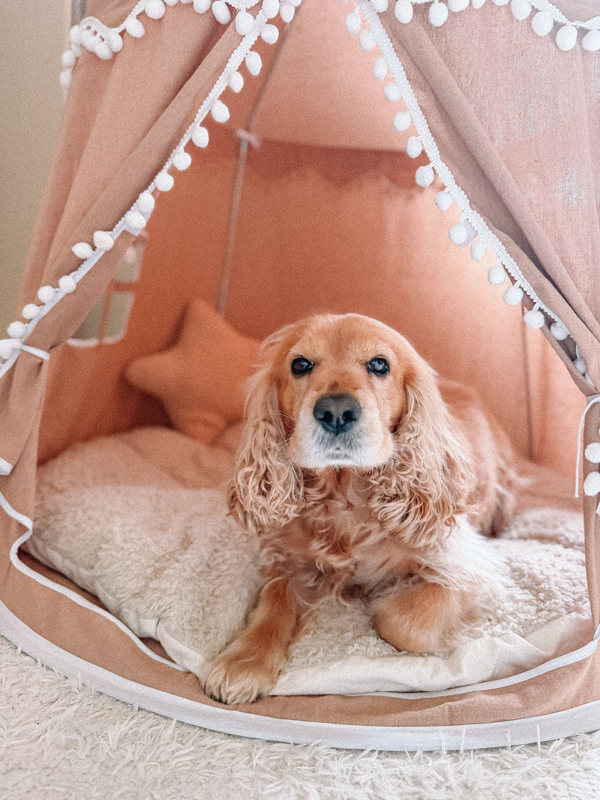
A designated safe space allows pets to retreat during storms without pressure or interference.
For dogs:
- Crates or quiet rooms with bedding and enrichment
- A space they can access even when no storm is present
For cats:
- Elevated hiding spaces such as cat trees or shelves
- Quiet areas with toys, treats, and scratch posts
This space should always feel voluntary, calm, and protected.
Supportive Products That May Help
Some pets benefit from additional support tools, including:
- Calming Care® (Purina) – a probiotic that may reduce anxiety over time (full effect in ~6 weeks)
- Adaptil® (dogs) or Feliway® (cats) – calming pheromones available as collars, sprays, or diffusers
- ThunderShirts® – gentle pressure garments for dogs
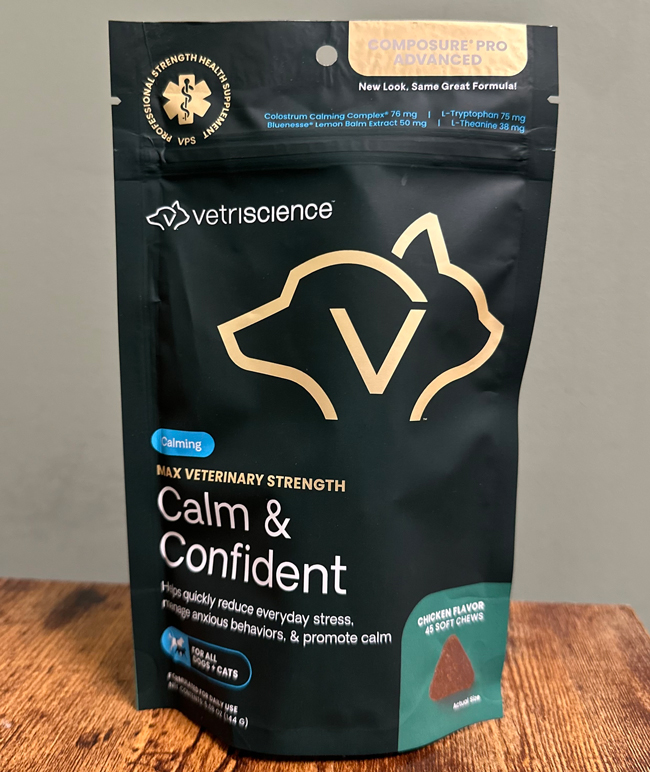
- Composure® chews – containing L-Theanine, thiamine, and calming milk proteins
- Zylkene® – containing alpha-casozepine, suitable for short- or long-term use
Responses vary by individual, but these options are generally safe and worth discussing with your veterinarian.
When Anti-Anxiety Medications Are Needed
Some dogs and cats experience storm phobia so severe that behavioral strategies and supplements alone are not enough. In these cases, prescription anti-anxiety medications may be necessary to reduce fear to a manageable level.
Medication plans should always be:
- Individualized
- Closely supervised by a veterinarian
- Used alongside behavioral modification
Frequently Asked Questions About Storm Phobia in Pets
Is storm phobia the same as noise sensitivity?
Not exactly. While noise plays a role, many pets also react to pressure changes, light flashes, and environmental shifts that occur before thunder is audible.
Can storm phobia get worse with age?
Yes. Without intervention, storm phobia often intensifies over time as fear responses become more deeply ingrained.
Should I comfort my pet during a storm?
Calm, neutral presence is helpful. Avoid excessive reassurance, which may unintentionally reinforce fear, but do not ignore a frightened pet seeking comfort.
Can cats really have storm anxiety?
Absolutely. Cats may show more subtle signs, such as hiding or decreased activity, but their fear can be just as intense.
Will medication make my pet sedated?
The goal is calm, not sedation. When properly chosen and dosed, medications should help pets feel more relaxed while remaining themselves.

Leave A Comment