


The good news is that an IVDD diagnosis does not automatically mean your dog will need surgery or lose the ability to walk. Depending on the severity of the condition, many dogs can be successfully managed with medical treatment, activity restriction, rehabilitation, or surgery when necessary.
Knowing the signs of IVDD and understanding when veterinary care is needed can make an important difference in your dog’s recovery.
What Is IVDD in Dogs?
Your dog’s spine is made up of individual bones called vertebrae. Between these bones are small cushions called intervertebral discs. These discs help absorb shock and allow the spine to move comfortably.
With IVDD, one or more discs can degenerate, bulge, or rupture. When damaged disc material puts pressure on the spinal cord or nearby nerves, it can cause pain, weakness, changes in coordination, or difficulty walking.
IVDD can range from mild discomfort to a serious neurological emergency. The location of the affected disc and the degree of spinal cord compression can influence the signs a dog develops.
Which Dogs Are More Prone to IVDD?
Although any dog can develop IVDD, some breeds are more predisposed because of inherited differences in the way their spinal discs develop and degenerate.
Breeds commonly associated with a higher risk of IVDD include:
- Dachshunds
- French Bulldogs
- Beagles
- Cocker Spaniels
- Shih Tzus
- Pekingese
- Basset Hounds
- Miniature Poodles
- Welsh Corgis
- Lhasa Apsos
Many of these breeds have a body type known as chondrodystrophy, which is associated with relatively short legs and characteristic skeletal development. Their intervertebral discs may undergo degenerative changes at a younger age, increasing the risk of disc herniation.
However, being a predisposed breed does not mean that a dog will definitely develop IVDD.
IVDD can also occur in breeds that are not traditionally considered high-risk, particularly as dogs age. Other factors, including body condition and repeated physical stress or trauma, may also contribute to disc disease.
And while IVDD is often discussed in dogs, intervertebral disc disease can also occur in cats.
What Are the Signs of IVDD in Dogs?
The signs of IVDD can vary depending on which part of the spine is affected and how much pressure is being placed on the spinal cord or nerves.
You may notice:
- Reluctance to jump, climb stairs, or move
- A hunched or arched back
- Crying, trembling, or other signs of pain
- Stiffness
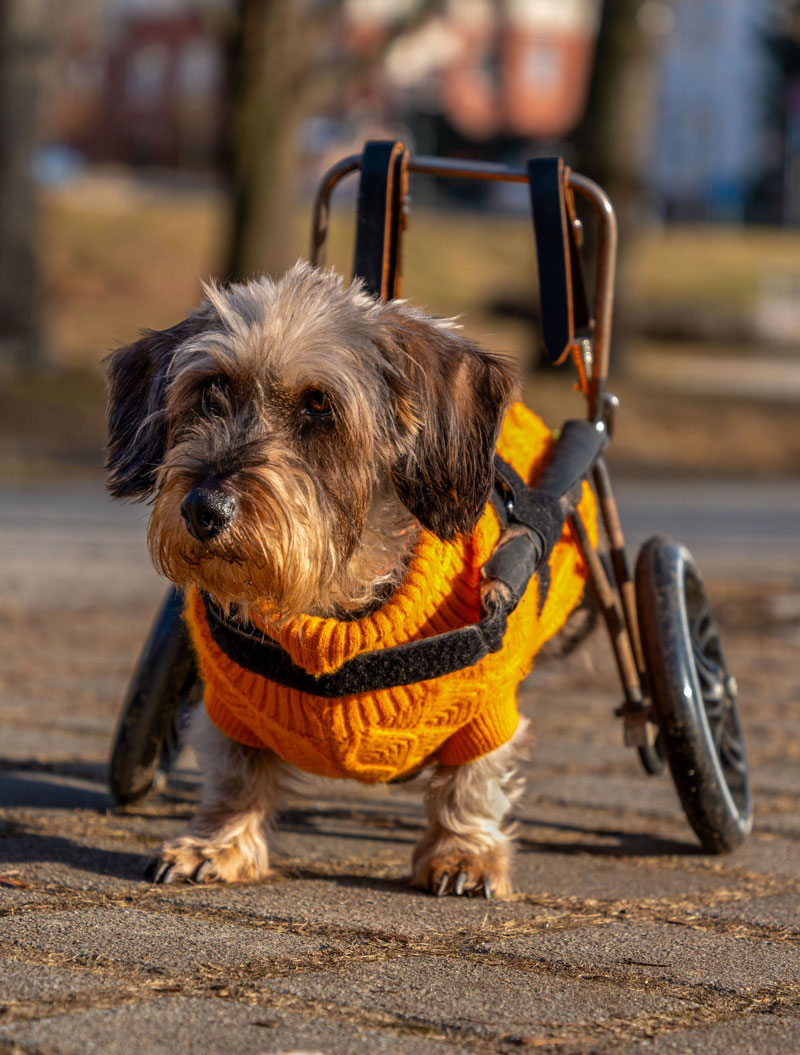
- Weakness in the back legs
- Wobbling or an unsteady gait
- Knuckling or dragging of the paws
- Difficulty standing or walking
- Loss of bladder or bowel control
- In severe cases, inability to walk
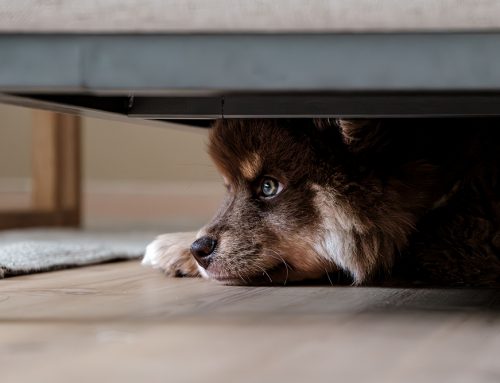
Some dogs with IVDD may show more subtle behavioral changes. Your dog may become unusually quiet, hide, seem uncomfortable when picked up, or simply stop participating in activities they normally enjoy.
A sudden change in your dog’s movement or behavior should not be ignored.
When Is IVDD an Emergency?
Some signs of IVDD require urgent veterinary evaluation.
Contact your veterinarian or an emergency veterinary hospital right away if your dog:
- Suddenly cannot walk or stand
- Develops significant or rapidly worsening weakness
- Has severe or uncontrolled pain
- Loses the ability to urinate normally
- Develops sudden, severe changes in coordination or mobility
Spinal cord compression can worsen, and a neurological examination can help determine how seriously your dog is affected. Early evaluation can also help your veterinary team determine whether additional diagnostics or surgical consultation may be appropriate.
Until your dog can be evaluated, keep them as quiet and still as possible. Avoid stairs, jumping, running, and rough play. If your dog is unable to walk, move them carefully and support their body to minimize unnecessary movement of the spine.
How Is IVDD Diagnosed?
Diagnosing IVDD begins with a thorough physical and neurological examination.
Your veterinarian will assess your dog’s posture, gait, reflexes, pain responses, and neurological function. This helps determine whether the problem may involve the spinal cord or nerves and can help localize the affected area.
Additional diagnostic testing may be recommended depending on your dog’s symptoms.
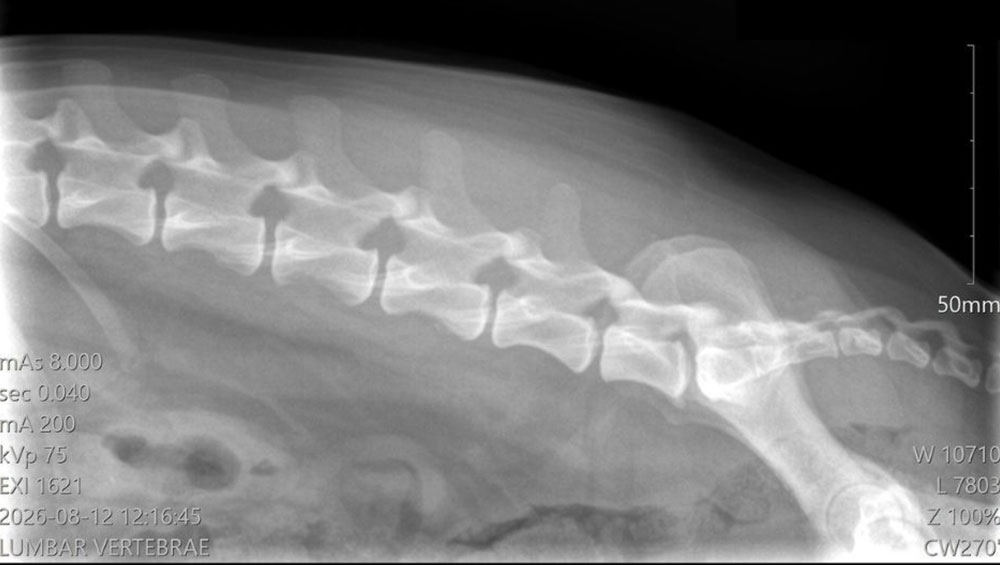
X-rays
Spinal radiographs (X-rays) can provide useful information about the bones and spaces between the vertebrae. However, standard X-rays cannot always show the spinal cord or precisely identify the extent and location of disc material compressing it.
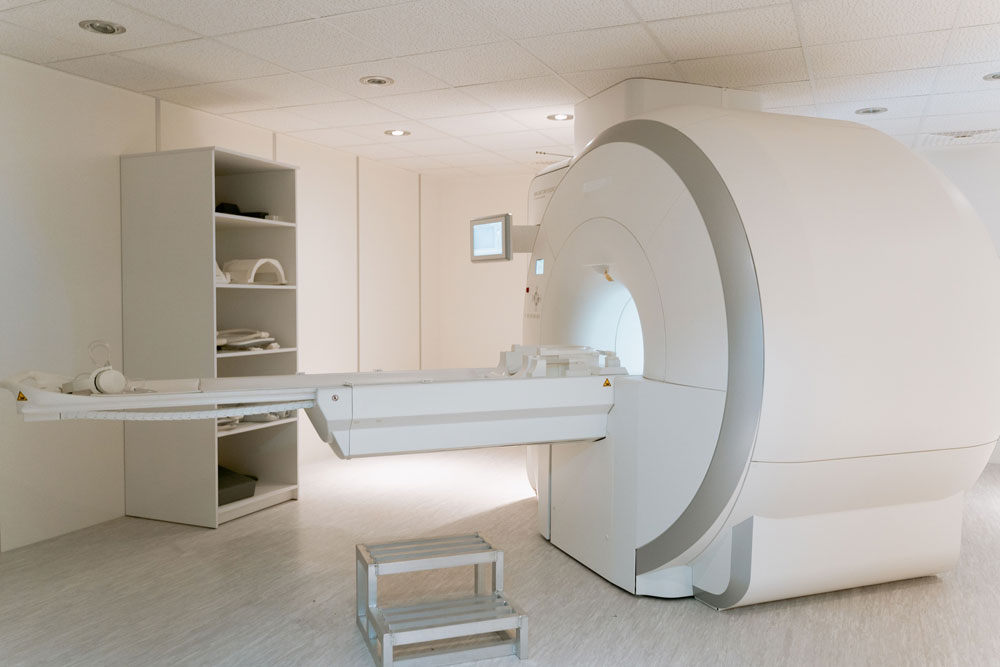
MRI or CT
Advanced imaging such as MRI or CT may be recommended when a more definitive diagnosis is needed, particularly when significant neurological deficits are present or surgery is being considered.
Your veterinarian will determine which diagnostic approach is most appropriate based on your dog’s symptoms and neurological status.
Does My Dog Need Surgery for IVDD?
Not every dog with IVDD needs surgery.
Dogs with pain or relatively mild neurological signs may sometimes be treated with medical management. Depending on the individual patient, treatment may include:
- Strict or carefully controlled activity restriction
- Veterinary-prescribed pain medication
- Anti-inflammatory medication when appropriate
- Medication to manage muscle spasms or other symptoms
- Rehabilitation and therapeutic exercises as directed by your veterinary team
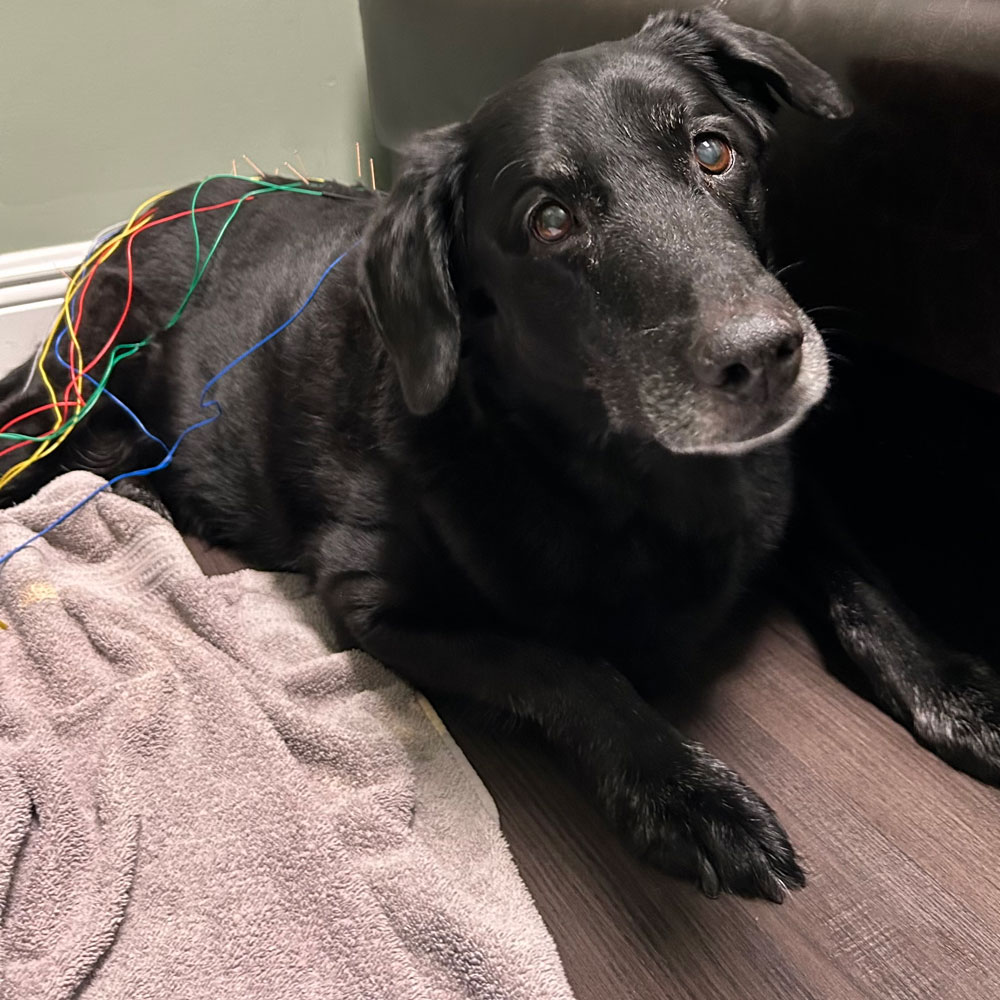
- Acupuncture Therapy
- Laser Therapy
The specific medications or treatments used should be determined by your veterinarian. NSAIDs and corticosteroids should not be given together unless specifically directed by a veterinarian, because combining them can increase the risk of serious adverse effects.
Surgery may be recommended for dogs with severe neurological deficits, worsening neurological function, persistent or severe pain despite appropriate medical management, or significant spinal cord compression.
Your veterinarian will consider several factors when determining the best treatment approach, including your dog’s neurological status, imaging findings, overall health, and how their symptoms are changing over time.
Why Is Rest So Important for IVDD?
One of the hardest parts of treating IVDD at home can be keeping your dog quiet.
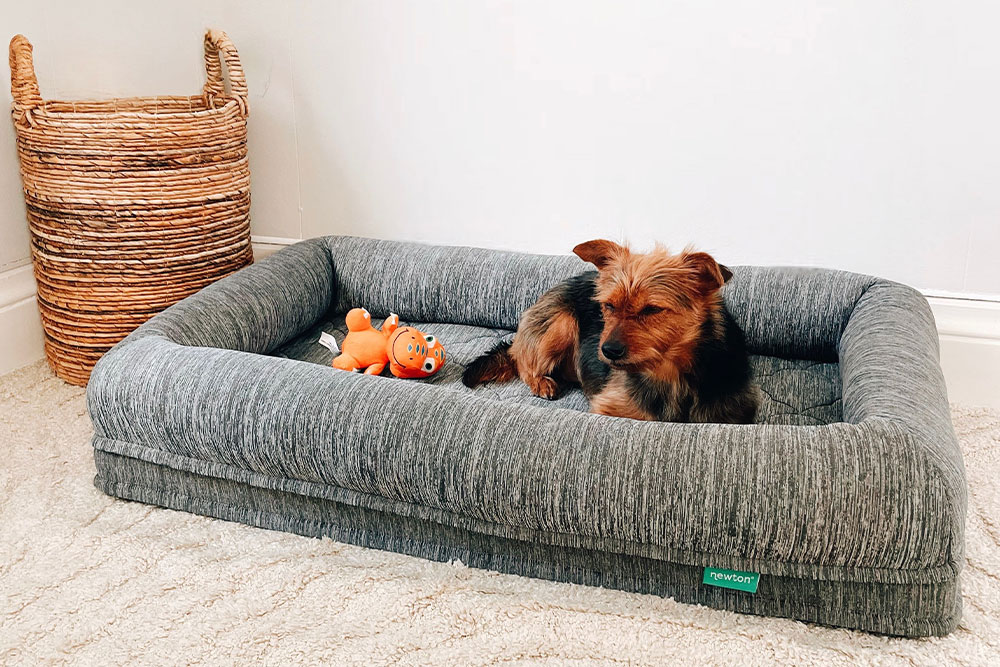
A dog may appear much more comfortable after starting medication, but that does not necessarily mean the affected disc has healed. Running around the house, jumping on furniture, climbing stairs, or playing with other pets can place additional stress on the spine.
Activity restriction is an important part of conservative IVDD treatment. It reduces forces placed on the spine and gives inflammation and injured tissues time to settle.
Your veterinarian will determine how much restriction your dog needs and for how long based on the severity of the condition and how your dog responds to treatment. Some dogs may need several weeks of restricted activity, with gradual increases in exercise as healing progresses.
During recovery, your veterinarian may recommend:
- A crate or appropriately sized exercise pen
- A small, restricted area of the home
- Leash-only bathroom breaks
- No stairs or jumping on furniture
- Avoiding rough play with people or other pets
- Gradual return to normal activity according to your veterinarian’s instructions
Even if your dog seems completely back to normal, do not increase activity faster than recommended. Feeling better and being fully healed are not necessarily the same thing.
Can Dogs Recover From IVDD?
Yes. Many dogs with IVDD can recover, but the prognosis varies from patient to patient.
Recovery depends on several factors, including:
- The location and severity of the disc problem
- The degree of spinal cord injury
- Whether your dog can still walk
- The severity and progression of neurological signs
- How quickly treatment is started
- Whether surgery is necessary
- Your dog’s response to treatment and rehabilitation
Some dogs improve over a period of weeks, while others require a longer period of rehabilitation and supportive care.
Dogs that have experienced IVDD may also be at risk for future episodes. Your veterinarian can help you develop a long-term management plan based on your dog’s individual risk factors and recovery.
Helping Reduce the Risk of Future IVDD Problems
Unfortunately, IVDD cannot be completely prevented, particularly in dogs that are genetically predisposed to disc degeneration.
However, there are steps you can take to help reduce unnecessary stress on your dog’s spine and support overall mobility.
Consider:
- Keeping your dog at a healthy body weight
- Using ramps or appropriately designed steps to reduce jumping when recommended
- Limiting repetitive jumping activities
- Providing non-slip surfaces around the home
- Following your veterinarian’s recommendations for exercise
- Completing rehabilitation exercises as directed
- Monitoring your dog for changes in movement or posture
Most importantly, learn what is normal for your dog.
If you notice that your dog is moving differently, seems painful, is reluctant to jump or climb stairs, or is suddenly less interested in normal activities, don’t assume the problem will simply go away.
The Bottom Line: When to Call Your Veterinarian About IVDD
IVDD can be scary for pet owners, but an IVDD diagnosis does not mean your dog’s future is hopeless. Many dogs can be successfully managed with appropriate veterinary care, and treatment options vary depending on the severity of the disease.
The sooner a problem is recognized and evaluated, the sooner your veterinary team can determine what may be happening and discuss appropriate treatment options.
If your dog is showing signs of back or neck pain, weakness, wobbling, difficulty walking, or sudden changes in mobility, contact your veterinarian rather than waiting to see if the symptoms go away.
And if your dog suddenly cannot walk, develops severe weakness, or cannot urinate normally, seek urgent veterinary care.
Your veterinary team can help you understand what is happening, determine whether additional diagnostics are needed, and create a treatment and recovery plan designed specifically for your dog.
At West Park Animal Hospital, we’re here to help you recognize changes in your pet’s health and make informed decisions about their care.


Leave A Comment