

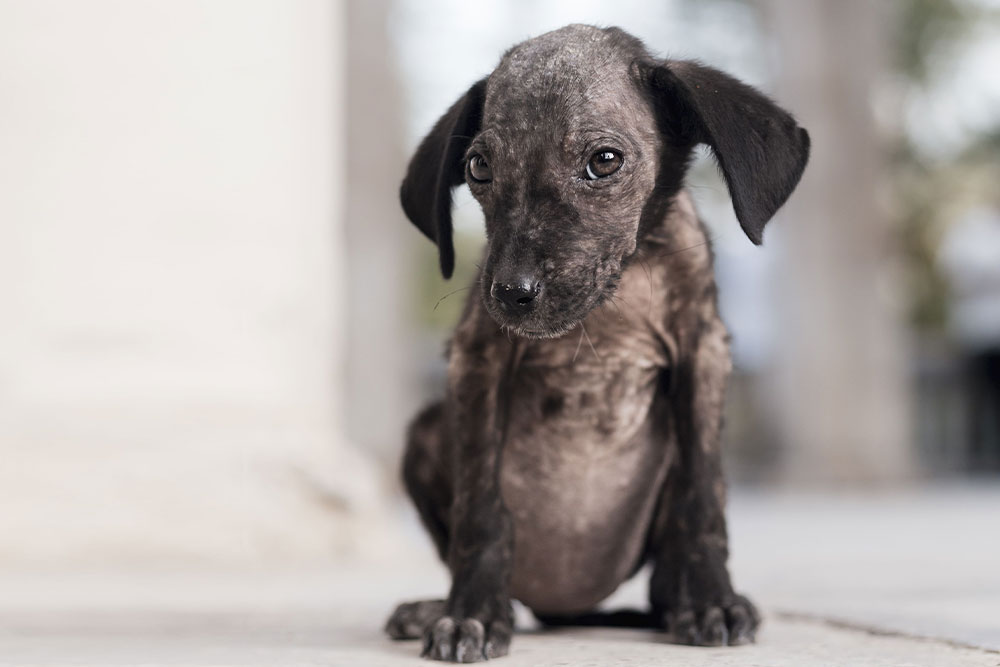
Hair loss is one of the most common reasons pet parents bring their dogs and cats to the veterinarian. While some shedding is completely normal, sudden or excessive hair loss is not—especially when it’s paired with scratching, licking, redness, or a new odor.
The good news is that many of the most common causes of hair loss in pets are treatable, and once the underlying issue is addressed, most dogs and cats regrow their healthy coats relatively quickly.
Below are some of the most common reasons pets experience hair loss—and what you should know about each one.
1. Fleas: A Tiny Problem With a Big Impact
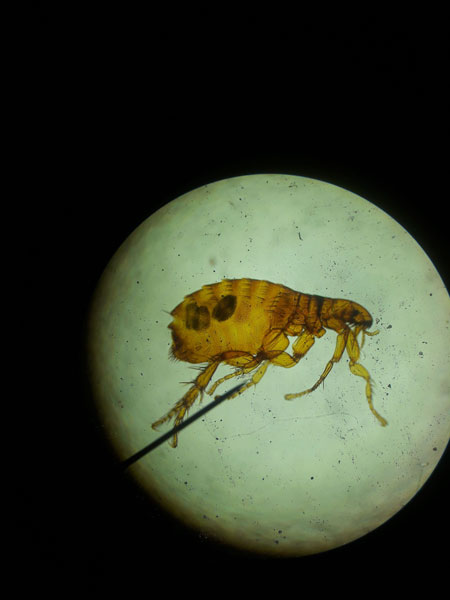
Many pet parents are surprised to learn that just one or two fleas can cause significant itching and hair loss, especially in pets that are sensitive or allergic to flea bites.
Hair loss caused by fleas often appears around the tail base and abdomen but can occur anywhere on the body. You may also notice redness, scaling, or small black specks in the fur—commonly known as flea dirt.
In warm or humid climates, fleas can be a year-round concern. It’s also important to know that adult fleas visible on your pet represent only about 5% of the total flea population—the remaining life stages live in the home environment.
Fortunately, fleas are very treatable. With veterinary-recommended prevention and routine environmental cleaning, flea-related skin issues can usually be resolved quickly.
2. Mites: Often Hard to See, Sometimes Contagious
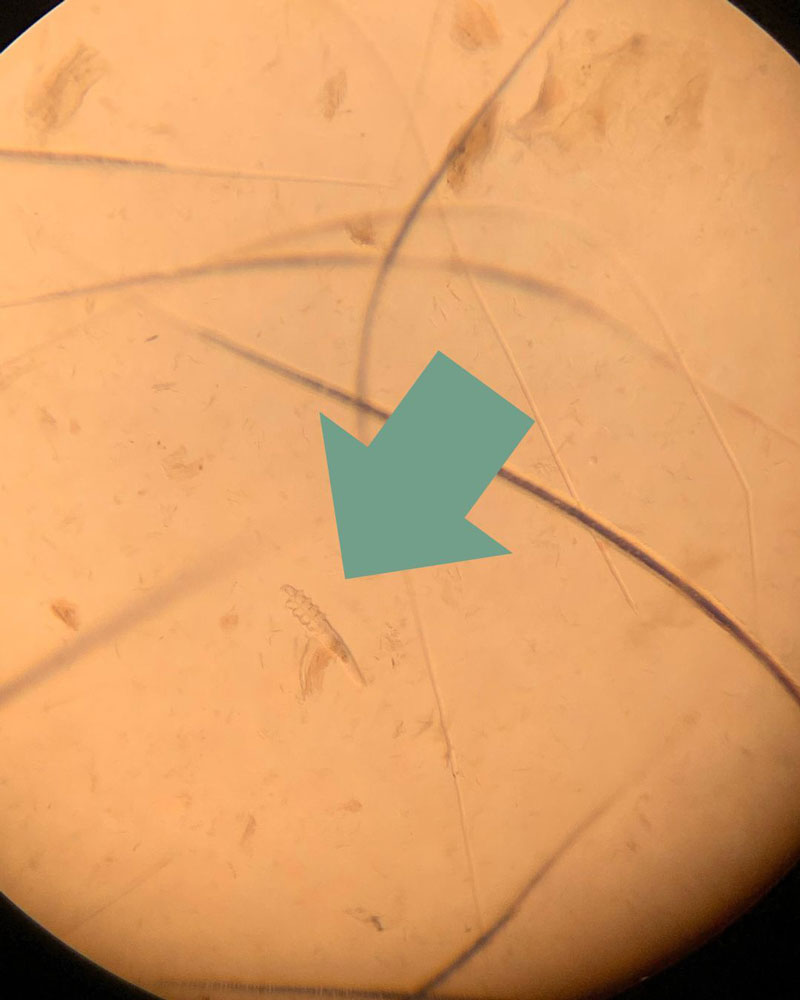
There are several types of mites that can affect dogs and cats, and hair loss is a common symptom of most mite infestations. Hair loss often starts in small patches near the head, neck, or feet and may spread over time.
Some mites are contagious and can spread between pets (and occasionally to people), while others are related to a pet’s immune system or genetics.
Veterinarians often diagnose mites using a skin scrape, which allows skin cells to be examined under a microscope. Because mites can be difficult to detect, testing may need to be repeated. Once diagnosed, treatment is typically very effective.
3. Bacterial or Yeast Skin Infections
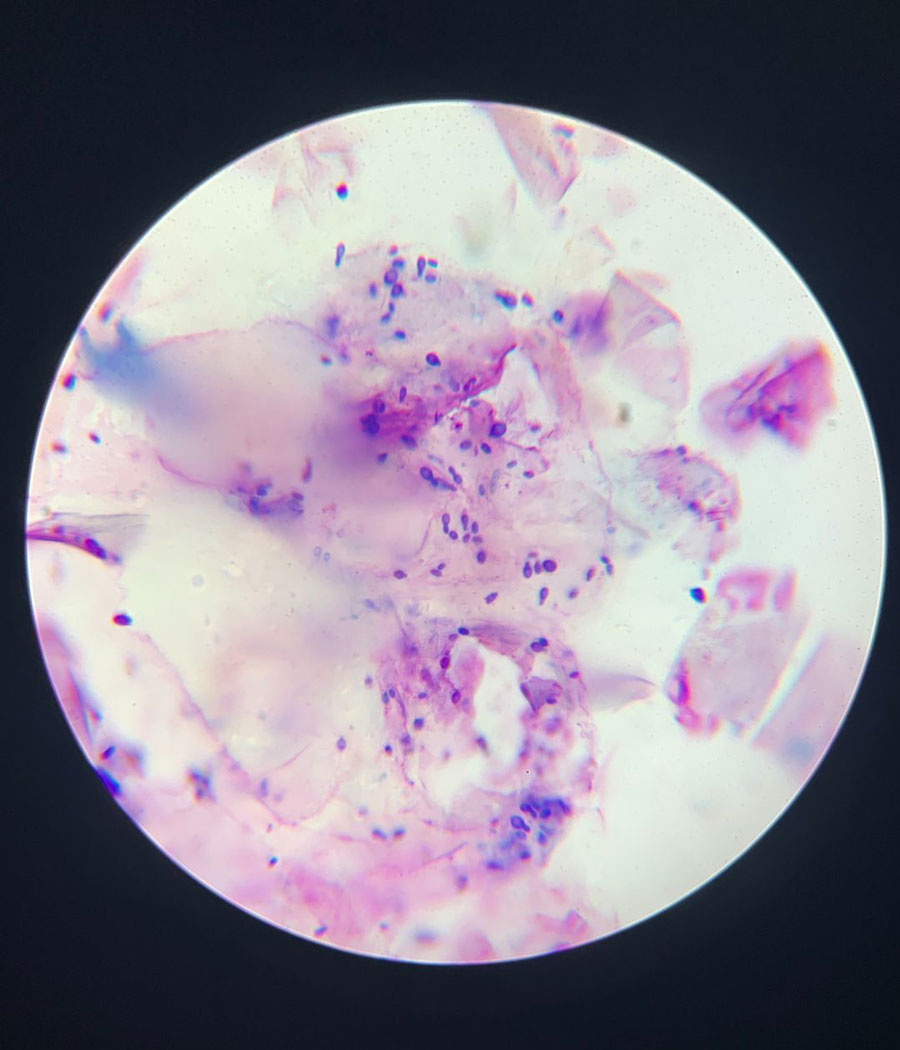
Healthy skin naturally contains bacteria and yeast. When the skin barrier is compromised—due to moisture, allergies, irritation, or trauma—these organisms can overgrow and cause infection.
Common signs include:
- Hair loss
- Redness or thickened skin
- Crusting or scaling
- Dark pigmentation
- A strong or unpleasant odor
These infections may begin in a small area or appear suddenly over large portions of the body. Most bacterial and yeast infections are readily treatable with medicated shampoos, topical therapy, or oral medications. In many cases, testing can be performed right in the veterinary hospital.
4. Ringworm: A Fungal Infection (Not a Worm)
Despite its name, ringworm is a fungal infection, not a parasite. In pets, it doesn’t always appear as a classic ring-shaped lesion.
Signs of ringworm in dogs and cats may include:
- Circular areas of hair loss with crusting
- Generalized thinning of the coat
- Red, raised skin lesions
- No visible symptoms at all (especially in cats)
Ringworm can be transmitted between pets and people, making prompt diagnosis important. Treatment often involves a combination of topical therapy, oral medication, and environmental cleaning.
5. Allergies: One of the Most Common Causes of Hair Loss
Allergies are a very common cause of chronic or recurrent skin issues in pets.
The four main categories include:
- Environmental allergies (atopy)
- Flea allergies
- Food allergies
- Contact allergies
Environmental allergies—such as pollen or grass—are the most common. Pets absorb allergens through their skin and paws, which can lead to itching, redness, and hair loss. Symptoms may begin seasonally and gradually become year-round.
Food allergies are much less common than many people think, affecting less than 5% of allergic pets. Diagnosing food allergies requires a carefully managed veterinary-guided diet trial.
6. Hormonal (Endocrine) Conditions
Hormonal imbalances often cause widespread, symmetrical hair loss rather than patchy areas.
Common endocrine conditions include:
- Hypothyroidism (dogs): Weight gain, low energy, thinning hair, and the classic “rat tail”
- Cushing’s disease (dogs): Thinning, brittle hair; increased thirst and urination; panting
- Hyperthyroidism and diabetes (cats): Poor coat quality, brittle hair, unkempt appearance
These conditions are diagnosed through blood testing and are often very manageable with ongoing treatment.
7. Behavioral Causes: Stress and Over-Grooming
Stress, anxiety, or boredom can lead some pets—especially cats—to over-groom, causing hair to break or fall out.
In these cases, the hair often looks shortened rather than completely missing, and the skin may appear normal. Because anxiety can be subtle and may be the only outward sign, medical causes should always be ruled out first.
Mild cases may improve with environmental changes, while more severe cases may benefit from behavioral support or medication.
Frequently Asked Questions About Hair Loss in Pets
Is hair loss in dogs and cats ever normal?
Shedding is normal, but noticeable thinning, bald spots, or rapid hair loss are not and should be evaluated by a veterinarian.
How quickly will my pet’s hair grow back?
Once the underlying cause is treated, many pets begin to regrow hair within a few weeks. Full coat recovery may take several months.
Is hair loss painful for pets?
Hair loss itself is not usually painful, but the underlying causes—such as infections, allergies, or parasites—can be uncomfortable or itchy.
Can I treat my pet’s hair loss at home?
Good nutrition and gentle grooming help, but most causes of hair loss require veterinary diagnosis and treatment. Home remedies may delay healing or worsen the problem.
Is hair loss contagious?
Some causes, such as fleas, certain mites, and ringworm, can be contagious. Others are not. Proper diagnosis is key.
When to Schedule an Appointment
If your pet is experiencing hair loss, itching, redness, odor, or changes in skin appearance, it’s best to seek veterinary care sooner rather than later. Many causes of hair loss are easier to treat when caught early, helping your pet feel comfortable again more quickly.
As a locally owned veterinary hospital, we’re here to partner with you—listening carefully, answering questions, and creating a treatment plan tailored to your pet’s individual needs.
Contact our clinic today to schedule an appointment and let us help your pet get back to feeling (and looking) their best.

Leave A Comment