

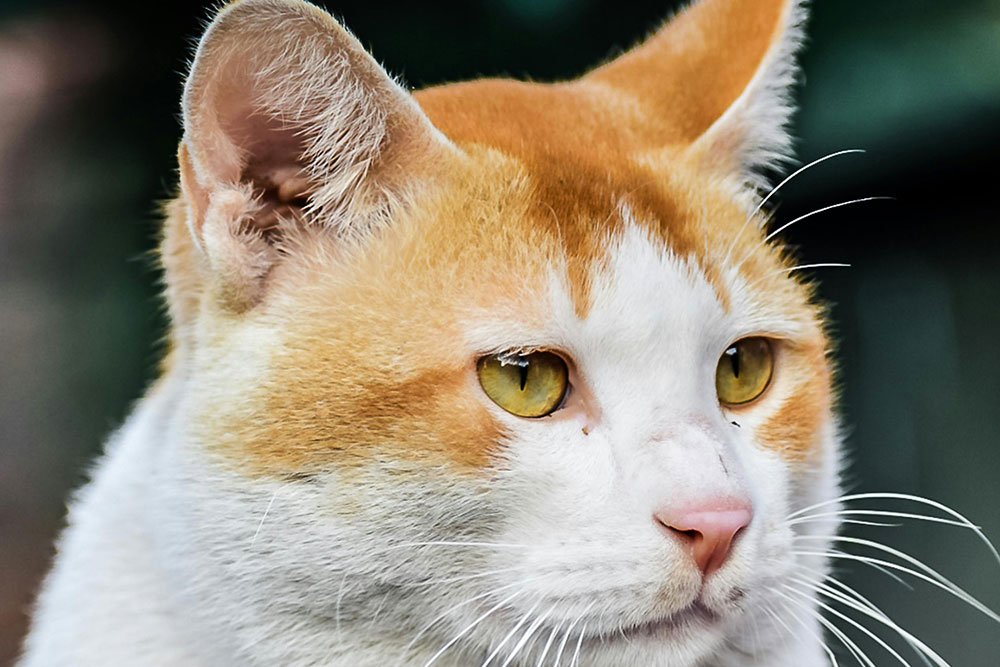
A diagnosis of diabetes in your cat can be unexpected—and understandably stressful. Many cat parents worry about daily injections, frequent monitoring, and how this condition may affect their cat’s quality of life.
The encouraging news is that diabetes in cats is often very manageable, and in recent years, new oral medication options have expanded how we can treat certain feline patients. With the right plan and close monitoring, many cats do very well after diagnosis.
What Is Diabetes in Cats?
Diabetes mellitus occurs when the body cannot properly regulate blood sugar (glucose). In cats, diabetes is most often similar to Type II diabetes in people, meaning:
- The body produces insulin, but
- The tissues do not respond to it appropriately (insulin resistance)
Because of this, diabetes in cats can sometimes be more flexible in how it is treated compared to dogs.
Signs of Diabetes in Cats
Common signs may include:
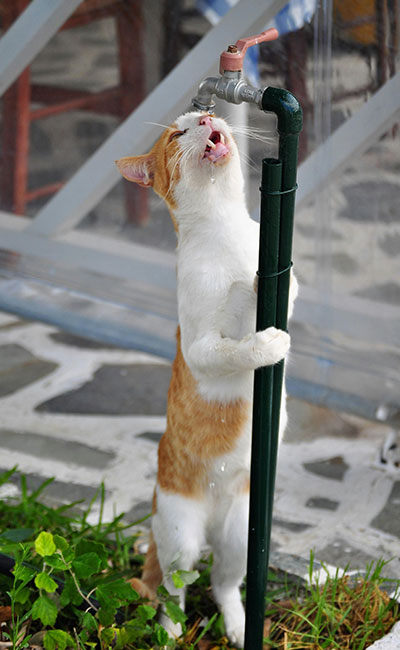
- Increased thirst and urination
- Weight loss despite a good appetite
- Lethargy or decreased activity
- Poor coat quality or hair loss
- Weakness, especially in the hind legs
If you notice these changes, early veterinary evaluation is important.
Treatment Options for Diabetic Cats
Insulin Therapy
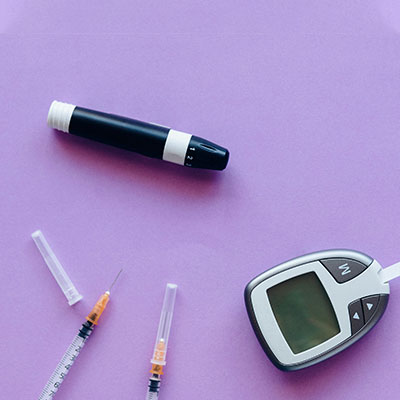
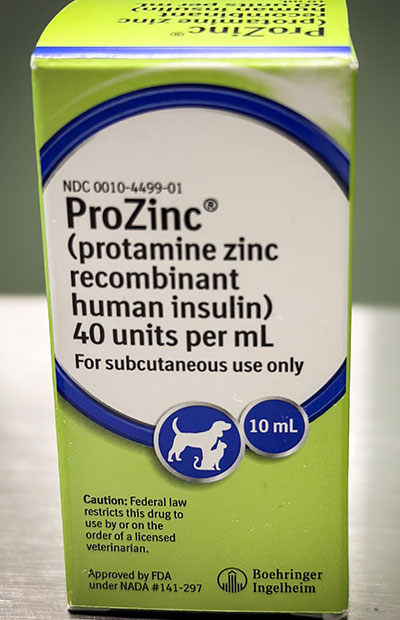
Insulin injections have long been the cornerstone of diabetes treatment in cats and remain an excellent option for many patients. Insulin helps regulate blood glucose and allows the body to properly use nutrients from food.
Some cats treated with insulin—especially when combined with diet and weight management—may even achieve diabetic remission, meaning insulin is no longer needed.
New Oral Medications for Diabetes in Cats
In recent years, oral diabetic medications specifically approved for cats have become available. These medications work differently than insulin by helping the kidneys remove excess glucose from the bloodstream through the urine.
For certain cats, oral medications may:
- Eliminate the need for injections
- Be easier for some households to administer
- Provide effective glucose control
However, oral medications are not appropriate for every cat. Cats must be carefully screened before starting these treatments, and close monitoring is essential—especially early in therapy.
Your veterinarian will help determine whether insulin, oral medication, or a combination approach is safest and most effective for your cat.
Diet Therapy for Diabetic Cats
Nutrition plays a major role in managing feline diabetes.
Most diabetic cats benefit from:
- High-protein, low-carbohydrate diets
- Consistent feeding routines
- Weight management if overweight
Prescription diets are often recommended because they are precisely formulated and nutritionally consistent—an important factor in glucose regulation.
Dietary therapy alone rarely regulates diabetes in cats, but it is an integral part of the management plan when combined with insulin or oral therapies.
Monitoring Blood Glucose in Cats
Monitoring helps ensure treatment is both effective and safe.
Options may include:
- In-hospital blood glucose curves
- Fructosamine testing (average glucose over several weeks)
- At-home monitoring or continuous glucose sensors
Because stress can raise blood sugar in cats, your veterinarian may recommend a monitoring strategy that best reflects how your cat does at home.
There are other medical conditions that may affect how well a cat responds to insulin or other therapies. Your veterinarian may also recommend testing for and attempting to treat these other diseases along with diabetes especially if the diabetes is not regulating as expected. Some of these conditions include:
- Dental disease
- Inflammatory bowel disease
- Acromegaly
- Pancreatitis
Can Cats Go Into Diabetic Remission?
Yes—remission is possible in some cats, particularly when:
- Diabetes is diagnosed early
- A low-carbohydrate diet is used
- Weight loss is achieved when needed
- Blood glucose is well controlled
Even if remission occurs, ongoing monitoring remains important.
Frequently Asked Questions About Diabetes in Cats
Are oral diabetic medications safe for cats?
They can be safe and effective for appropriately selected cats, but careful screening and follow-up are essential.
Will my cat still need insulin?
Some cats do, while others may be candidates for oral therapy. Your veterinarian will guide this decision.
How long does regulation take?
Most cats require several weeks to months of monitoring and adjustments to achieve good control.
Can diabetes shorten my cat’s life?
When well managed, many diabetic cats live long, comfortable lives.
Is my cat more prone to other illness now that it has diabetes?
Many cats with early and consistent regulation of their diabetes live long, healthy lives. However, diabetes does put our feline patients more at risk for some other changes such as cataracts, urinary tract infections, pancreatitis, or neurologic or muscle weakness. Your veterinarian can help guide you on what to monitor for or how to address these things should they arise.
When to Schedule an Appointment
If your cat has been diagnosed with diabetes—or you’re noticing symptoms like increased thirst, urination, or weight loss—we recommend scheduling an appointment to discuss treatment options and monitoring plans.
Schedule an Appointment
As a locally owned veterinary hospital, we’re committed to offering thoughtful, up-to-date care tailored to your cat’s individual needs.
Contact our clinic today to schedule an appointment and learn more about managing diabetes in cats—including whether oral medications may be an option.





Leave A Comment