

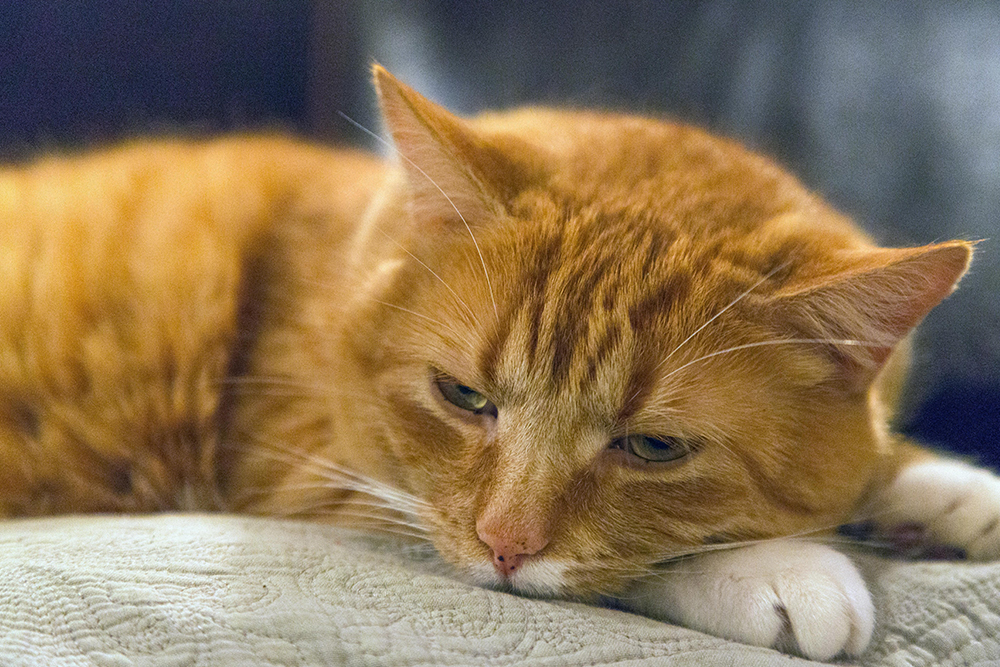
Our pets may not be able to tell us exactly how they feel, but they communicate in countless ways through their behavior, appetite, activity level, and interactions with the people they love. As pet parents, we often know our companions so well that we notice even subtle changes, yet it can still be difficult to determine whether those changes are simply part of aging or signs that something more is going on.
Assessing your pet’s quality of life isn’t about looking for a single moment or a specific score. It’s about stepping back and considering the bigger picture of your pet’s comfort, happiness, and ability to enjoy daily life. For senior pets and those living with chronic illness, regular quality of life assessments can help you make informed decisions and ensure that every stage of life is met with compassion, dignity, and care.
Key Areas to Evaluate Quality of Life
1. Pain and Comfort
Even pets who are experiencing discomfort often try to hide it. Paying attention to subtle changes can help identify pain before it significantly impacts their quality of life.
- Look for signs like limping, stiffness, reluctance to jump, shaking, or whining.
- Restlessness, difficulty getting comfortable, or sensitivity to touch.
- Walking in a hunched position or lying in a consistently tucked posture.
2. Appetite and Nutrition
Food and water intake can provide important clues about how a pet is feeling.
- Decreased interest in food or water may indicate underlying illness or pain.
- Weight loss or gain should be monitored, especially if it is sudden or unintentional.
3. Mobility
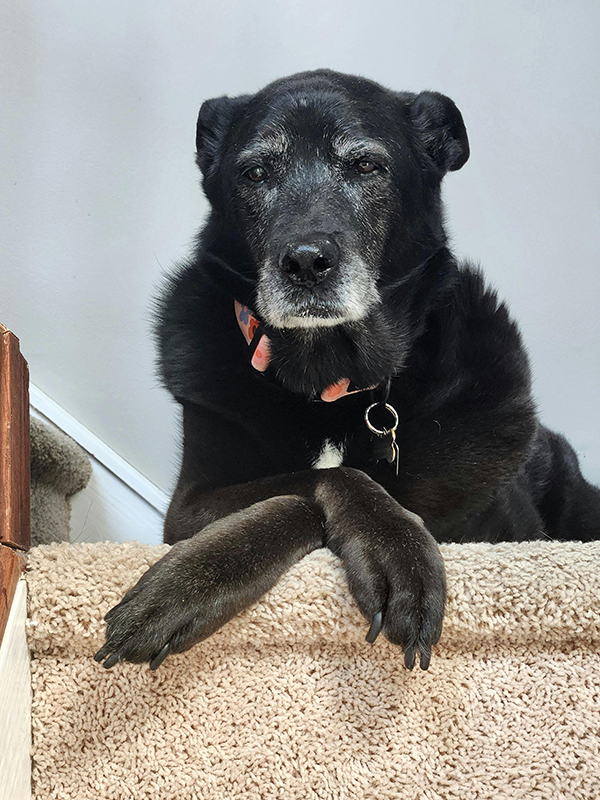
Many pets slow down with age, but mobility changes can also signal discomfort or disease. Close observation of these minor changes can be important in guiding senior pet care.
- Ability to move around comfortably and perform normal daily activities.
- Changes in walking, climbing stairs, or playing.
- Hesitancy to go outside, climb into a vehicle, use stairs, or get onto furniture may indicate discomfort or mobility challenges.
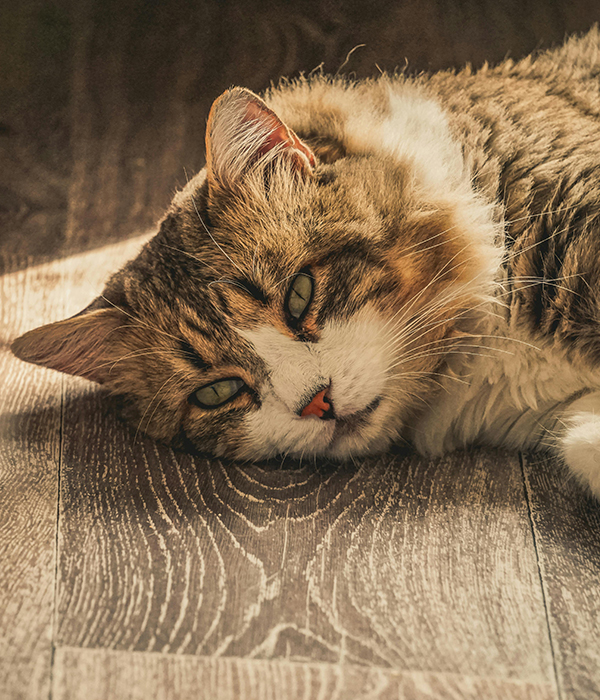
- For cats, the signs may be much more subtle. A cat that once reached a favorite perch in a single jump may suddenly begin taking two smaller jumps instead.
4. Hygiene and Grooming
Changes in grooming habits often reflect changes in physical or emotional well-being.
- In cats, overgrooming or neglecting grooming may signal stress, pain, or illness.
- In dogs, difficulty grooming may indicate arthritis or other physical limitations.
5. Enjoyment and Social Interaction
One of the most meaningful measures of quality of life is whether your pet is still enjoying the things that have always made them happy.
- Engages in favorite activities such as walks, playtime, lap time, or window watching.
- Shows interest in family members and other pets.
- Continues to seek out affection, attention, or participation in household routines.
6. Mental and Emotional Well-Being
Quality of life is about more than physical health. Emotional well-being matters too.
- Signs of anxiety, depression, or disorientation, including pacing, panting, or restlessness.
- Changes in sleep patterns.
- Increased hiding or isolation. Sometimes a pet may still choose to be in the same room as the family but remain withdrawn from the activity around them, which can be an important change to note.
Tools and Scales for Assessment
When changes occur gradually, they can be difficult to recognize from day to day. Structured assessments can help you identify trends over time.
- Quality of Life Questionnaires: Structured surveys that evaluate pain, mobility, enjoyment, and overall well-being are an important part of senior pet care.
- Behavioral Observation: Keeping a journal of eating, sleeping, mobility, and activity patterns.
- Veterinary Checkups: Regular examinations and diagnostic testing can help identify medical conditions that may be affecting quality of life.


When to Consider Making Changes
One of the hardest parts of loving a pet is recognizing when their needs have changed. Fortunately, quality of life assessments are not only useful for end-of-life decisions. In many cases, they help identify opportunities to improve comfort and restore enjoyment through medical treatment, pain management, rehabilitation, or changes at home.
You may want to schedule a discussion with your veterinarian if you notice:
- Persistent pain or discomfort despite treatment.
- Loss of interest in food, play, or family interaction.
- Declining mobility or difficulty performing daily activities.
A veterinarian can help identify opportunities to improve comfort and restore enjoyment in daily life. Depending on your pet’s condition, this may involve medication adjustments, rehabilitation exercises, acupuncture, herbal therapies, mobility assistance, environmental modifications, or palliative care. Many families are surprised to learn how much quality of life can improve when discomfort is recognized and addressed early.
Conclusion
Our pets are family, and when they are struggling, it can be difficult to know what the right next step should be. Quality of life assessments provide a framework for understanding how your pet is feeling and identifying ways to help them remain comfortable and engaged in the things they love.
At West Park Animal Hospital, we believe these conversations should never feel rushed. Whether you are caring for a senior pet, managing a chronic illness, or simply wondering whether a recent change is something to be concerned about, our team is here to help.
We design our appointments to allow ample time for discussion, questions, and individualized care planning because every pet’s situation is unique, and every family deserves guidance they can trust.
If you’d like to talk more about your pet’s needs, call us at (813) 749-6863 or schedule an appointment through our website.




Leave A Comment