

Learning that your dog has diabetes can feel overwhelming at first. Many pet parents worry about insulin injections, diet changes, and what this diagnosis means for their dog’s long-term quality of life.
The good news is that most dogs with diabetes can live happy, comfortable lives with proper treatment and monitoring. While regulation takes time, your veterinary team will work closely with you to create a plan that fits your dog—and your routine.
What Is Diabetes in Dogs?
Diabetes in dogs is most similar to Type I diabetes in people, meaning the body does not produce enough insulin. Insulin is the hormone that allows glucose (sugar) from food to enter the body’s cells and be used for energy.
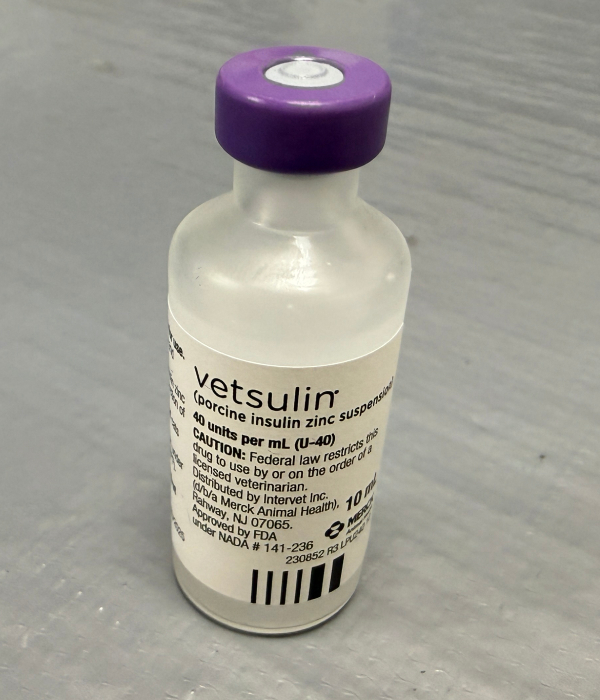
Because insulin production is inadequate, lifelong insulin therapy is usually required to control diabetes in dogs. Diet, exercise, and consistent routines play an important supporting role, but insulin is almost always necessary.
Finding the right balance of insulin dose, diet, and daily routine takes time and typically requires several recheck visits and adjustments.
Insulin Therapy: Getting Started
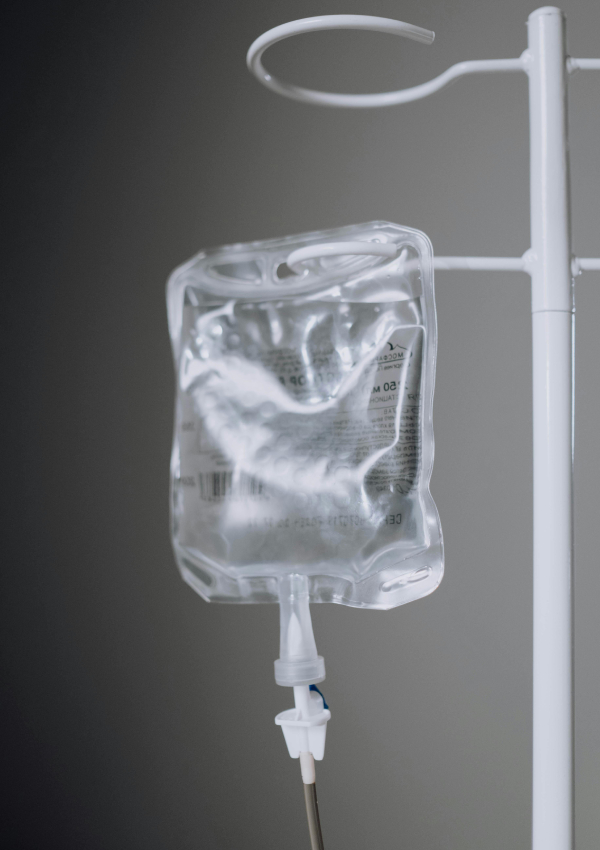
When a dog is first started on insulin, the initial goal is safety—not perfection. Regulation happens gradually over weeks to months.
Insulin is usually given:
- Twice daily
- During or immediately after meals
- As close to 12 hours apart as possible
Your veterinarian will adjust the insulin dose over time based on how your dog’s blood glucose responds. If your dog ever skips a meal or eats poorly, insulin dosing may need to be adjusted—this is something your veterinary team will guide you through.
Diet Therapy for Diabetic Dogs
For dogs with diabetes, consistency is key.
Most diabetic dogs do best when:
- Fed twice daily, about 12 hours apart
- Given the same portion size at each meal
- Fed the same diet every day
Prescription diabetic diets are often recommended because they are:
- Higher in protein
- Lower in carbohydrates
- Carefully formulated for blood sugar regulation
Unlike over-the-counter foods, prescription diets are tightly regulated to ensure nutritional consistency—an important part of diabetes control.
Any diet change should be made gradually over 7–10 days to avoid digestive upset.
Monitoring Blood Glucose: How We Track Progress
Monitoring is a critical part of managing diabetes and adjusting insulin safely.
Common monitoring options include:
- Blood glucose curves: Multiple blood sugar checks throughout the day at the hospital
- Fructosamine testing: A snapshot of average blood glucose over the previous 2–3 weeks
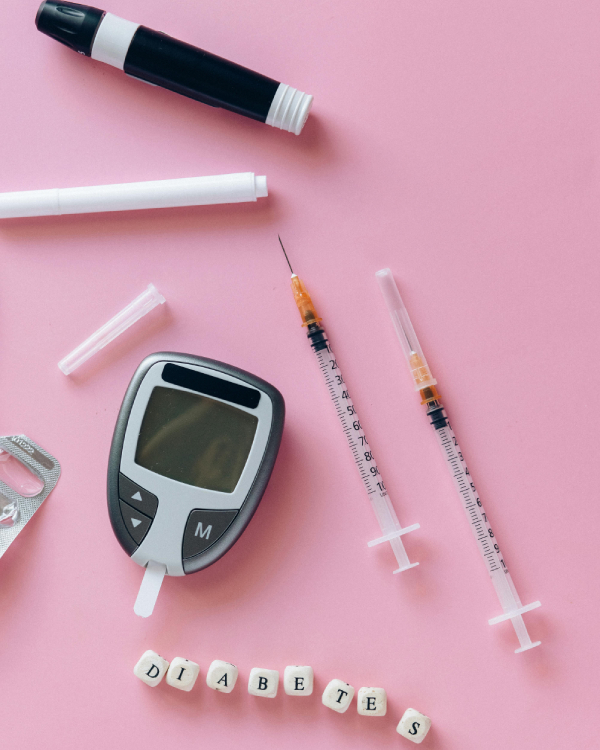
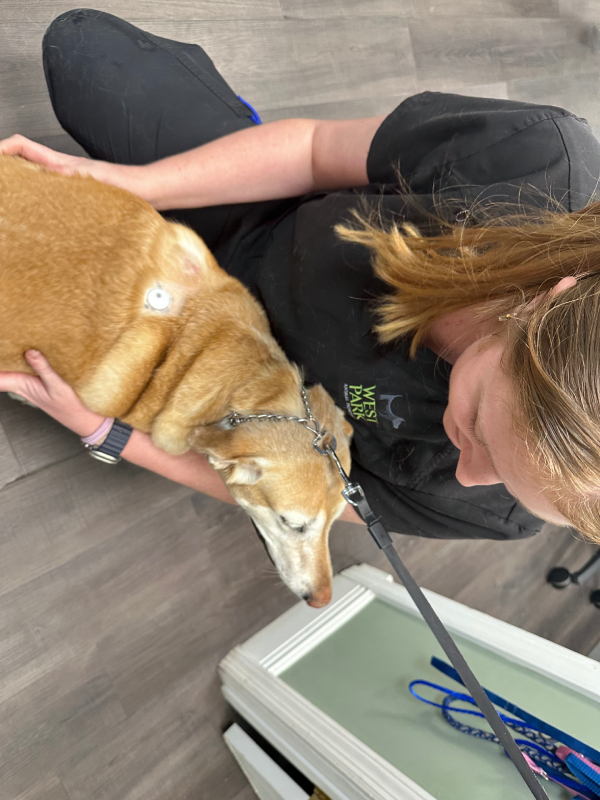
- At-home monitoring: Using a glucometer or continuous glucose monitoring systems, such as the FreeStyle Libre
Each option has benefits, and your veterinarian will recommend the best approach based on your dog’s temperament, stress level, and response to therapy.
Signs of Low Blood Sugar (Hypoglycemia)
Low blood sugar is uncommon early in treatment but is important to recognize. It most often occurs 4–6 hours after insulin is given.
Contact your veterinarian or seek emergency care immediately if you notice:
- Weakness
- Wobbly or uncoordinated walking
- Collapse
- Tremors or seizures
- Dull or unusual behavior
Prompt treatment can be lifesaving.
Possible Complications of Diabetes
Some complications may improve with better regulation, while others can occur even in well-managed dogs. Things to watch for include:
- Urinary tract infections
- Cataracts
- Pancreatitis
- Muscle or weight loss
- Vomiting or diarrhea
- Weakness or neurologic changes
Regular checkups help us identify and address these issues early.
Lifestyle Factors That Help With Regulation
In addition to insulin and diet, several other factors can support better diabetic control:
- Regular exercise: Short, consistent walks or play sessions once or twice daily
- Dental health: Dental disease can contribute to inflammation and poor glucose control
- Weight management: Gradual weight loss may improve regulation in overweight dogs
- Managing other conditions: Diseases like Cushing’s disease or pancreatitis can make diabetes harder to regulate
Your veterinarian may recommend screening for concurrent conditions if regulation is difficult.
Can Dogs Go Into Diabetic Remission?
In most dogs, remission is not common, as canine diabetes usually resembles Type I diabetes in people. This means the insulin-producing cells of the pancreas are no longer functional.
However, in some cases where diabetes is triggered by another underlying condition—such as pancreatitis or Cushing’s disease—treating the primary issue may allow insulin needs to decrease or even resolve over time. Insulin is typically started first, then adjusted as the situation becomes clearer.
Frequently Asked Questions About Diabetes in Dogs
Will my dog need insulin forever?
Most dogs do require lifelong insulin therapy, but the dose often changes over time as regulation improves.
Is giving insulin injections painful?
Most dogs tolerate insulin injections very well. The needles are small, and many dogs barely notice them.
How long does it take to regulate diabetes?
Regulation usually takes several weeks to a few months, with periodic rechecks and dose adjustments.
Can I monitor my dog’s blood sugar at home?
Yes. Some pet parents choose home monitoring, especially for dogs that become stressed in the hospital. Training and guidance from your veterinary team are important.
What happens if my dog misses a meal?
If your dog doesn’t eat well, insulin dosing may need to be reduced. Always contact your veterinarian for guidance in these situations.
When to Schedule a Recheck
Regular rechecks are an essential part of safely managing diabetes. These visits allow us to:
- Monitor blood glucose trends
- Adjust insulin dosing
- Address side effects or complications
- Support you as your dog adjusts to treatment
Early and consistent monitoring helps achieve regulation more efficiently and keeps your dog feeling their best.
Schedule an Appointment
Managing diabetes is a journey—but you don’t have to navigate it alone. As a locally owned veterinary hospital, we’re here to support you with education, compassion, and individualized care every step of the way.
Contact our clinic today to schedule an appointment or recheck, and let us help your dog live a happy, healthy life with diabetes.





Leave A Comment