

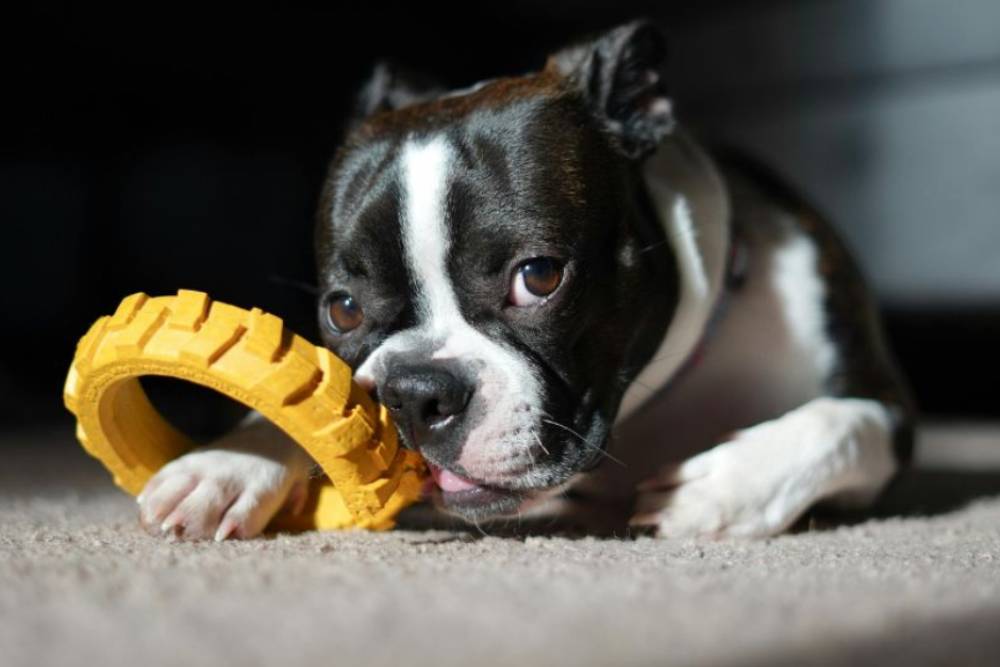
Separation anxiety is a deeply distressing condition—for dogs and the people who love them. It occurs when a dog experiences intense anxiety when left alone or separated from a specific person they are strongly bonded to. While many dogs dislike being alone, separation anxiety goes far beyond boredom or mild discomfort and can significantly impact a dog’s emotional and physical wellbeing.
With early recognition, patience, and a thoughtful plan, many dogs can learn that time alone is safe—and temporary.
What Is Separation Anxiety?
Separation anxiety is a form of panic-based anxiety that occurs when a dog is separated from their person or left alone. It can vary widely in severity and presentation, from subtle restlessness to destructive or self-injurious behaviors.
In some cases, determining whether a dog truly has separation anxiety may require recording their behavior while no one is home, as many dogs appear calm the moment their person returns.
Common Signs of Separation Anxiety in Dogs
Dogs experiencing separation anxiety may show one or more of the following behaviors:
- Crying, whining, trembling, pacing, panting, or restlessness as you prepare to leave or immediately after you leave
- Urinary or fecal accidents that occur only when the dog has been left alone
- Destruction of household items, doors, windows, or toys during absences
- Excessive excitement or inability to settle when you return
- Self-injury while alone (broken teeth, bleeding paws, damaged nails)
These behaviors are not acts of defiance or “bad behavior”—they are signs of genuine emotional distress.
Why Early Intervention Matters
Separation anxiety is a condition that tends to reinforce itself over time. Each episode of panic strengthens the dog’s fear of being left alone, making the behavior more difficult to change if left unaddressed.
Even when anti-anxiety medications are used, behavioral modification remains essential. Medications can lower the baseline level of anxiety, but without training and conditioning, their effectiveness often fades or requires escalating doses over time.
The most successful outcomes come from a combined approach: behavior modification, environmental support, and—when needed—medical therapy.
Behavior Modification Strategies for Separation Anxiety
Every dog is different, but the following techniques form the foundation of most separation anxiety treatment plans.
Desensitization to Exit Cues
Many dogs begin to feel anxious long before their person actually leaves. Common exit cues include:
- Putting on shoes or makeup
- Packing bags
- Picking up keys
- Turning off the TV
To reduce anxiety around these cues, practice doing them frequently and randomly without leaving. When the cue no longer predicts your absence, it gradually loses its emotional power.
Calm behavior during these moments can be gently reinforced with treats or praise.
Desensitization to Leaving
This step must be approached very gradually. The goal is to teach your dog that short absences are safe.
Helpful strategies include:
- Walking toward the door without leaving
- Touching or opening the door briefly, then closing it
- Leaving the room for just a few seconds and returning
Increase the duration slowly—only to the point where your dog remains calm. Visual monitoring (such as cameras) can be extremely helpful.
If treats are used during this phase, they should be delivered while you are gone, not upon your return, to avoid reinforcing anxiety-driven greetings.
Changing the Meaning of Your Departure
For some dogs, offering a high-value distraction at the moment you leave can soften the emotional impact.
Effective options often include:
- Food puzzle toys
- Treat-dispensing toys
- Frozen Kongs filled with peanut butter or canned food
These rewards should:
- Be your dog’s favorite
- Be given only when you leave
- Be prepared in advance so they don’t become another exit cue
For dogs with severe anxiety, this strategy may only work once medications have lowered their overall stress level.
Helping Your Dog Feel Less Alone
Some dogs struggle more with solitude itself than with a specific person leaving. For these dogs, environmental adjustments may help:
- Leaving the TV or radio on with human voices
- Using pet communication or treat-dispensing systems
- Having a trusted neighbor or friend stop by briefly
- In select cases, the presence of another compatible dog
These strategies should be tailored to your dog’s specific triggers and personality.
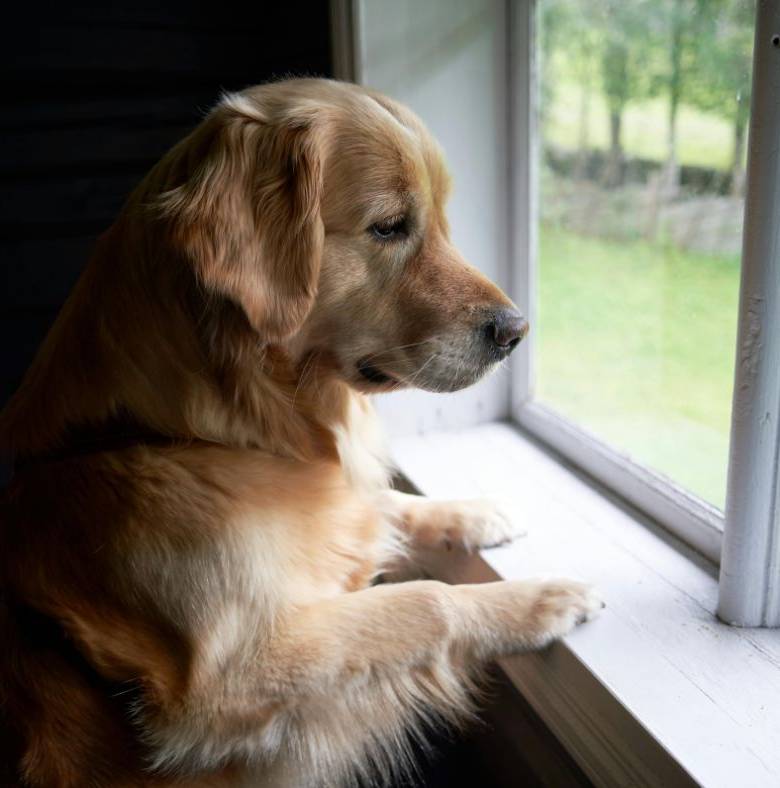
Downplaying Your Return
Just as departures should be calm, returns should be low-key. Excited greetings can unintentionally reinforce the idea that your absence was something to fear.
When you return home:
- Ignore anxious or overexcited behavior
- Greet your dog only once they are calm
- Consider a short walk or play session to release pent-up energy
This helps reinforce the message that your comings and goings are routine and safe.
The Role of Enrichment and Independent Play
Dogs with anxiety often benefit from increased mental and physical stimulation throughout the day.
Helpful enrichment includes:
- Regular walks and exercise
- Playtime with other dogs
- Puzzle toys or treat hunts
- Supervised backyard time
Teaching dogs how to engage in independent activities helps build confidence and resilience when alone.
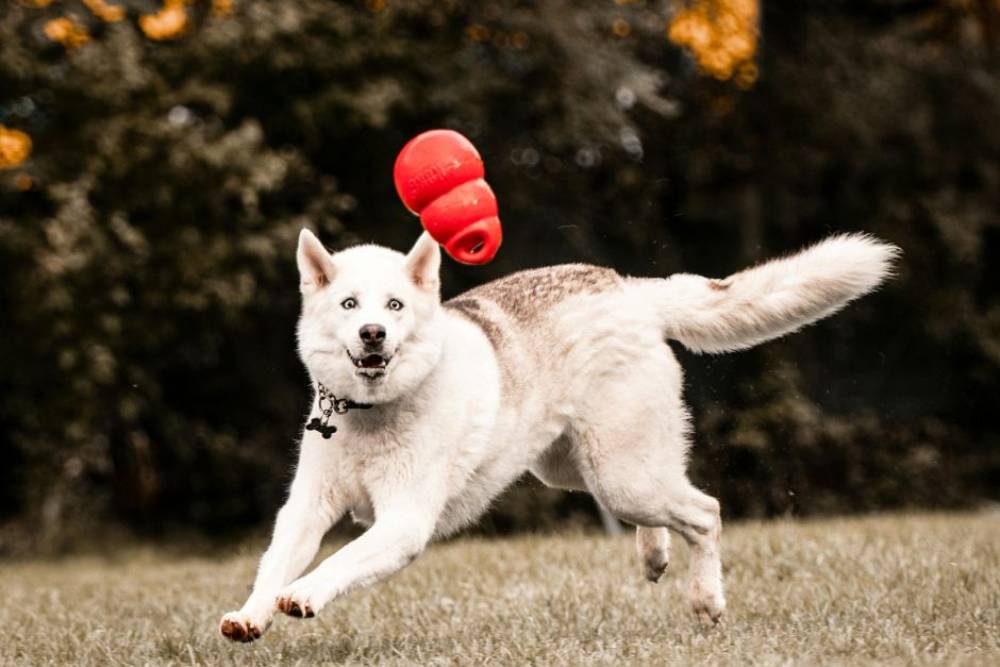
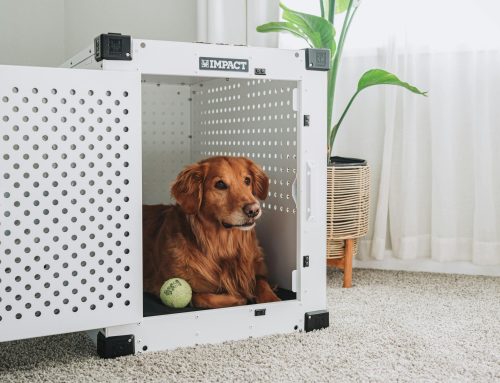
Creating a Safe Space at Home
A designated safe space—often a crate or quiet area—can provide comfort during stressful moments.
This space should:
- Be comfortable and calming
- Contain familiar bedding, toys, and enrichment
- Be a place your dog can access even when you are home
Importantly, dogs with separation anxiety should not be placed in this space only when you are leaving, as this can increase fear rather than reduce it.
Supportive Products That May Help
Some dogs benefit from adjunct therapies, including:
- Calming Care® (Purina) – a probiotic shown to help reduce anxiety over time (may take 6 weeks to reach full effect)
- Adaptil® – a calming pheromone available as a collar, diffuser, or spray
- ThunderShirts® – gentle pressure garments that can promote calming hormone release
- Zylkene-a supplement used to help curb mild anxiety. This may take a few weeks to reach full effect.
- Composure-a supplement used to help curb mild anxiety.
Responses vary by individual, but these options are generally safe and worth discussing.
When Anti-Anxiety Medications Are Needed
Some dogs experience anxiety so intense that behavior modification alone is not effective initially. In these cases, anti-anxiety medications may be necessary to lower fear enough for training to succeed.
Medication plans should always be:
- Individualized
- Closely monitored by a veterinarian
- Used alongside behavior modification—not instead of it

Frequently Asked Questions About Separation Anxiety in Dogs
Is separation anxiety just bad behavior?
No. Separation anxiety is an emotional panic response—not a training failure or stubbornness. Punishment will worsen the condition.
Can separation anxiety be cured?
Many dogs show significant improvement with time, consistency, and the right support. While some may always be sensitive to separation, most can learn to feel safe when alone.
Should I get another dog to help?
This helps some dogs but not others. It should only be considered if your dog is socially compatible and has spent supervised time with the other dog.
Do medications change my dog’s personality?
When used correctly, medications should reduce fear—not dull your dog’s personality. The goal is calm, not sedation, although during the initial phases of treatment, some mild sedation or other changes may be noted.
How long does treatment take?
Progress is often gradual. Meaningful improvement typically occurs over weeks to months, not days—but the results are worth the patience.



Leave A Comment