


Hearing that your pet has a heart murmur can feel unsettling. For many pet parents, it raises immediate questions: Is my pet in danger? Does this mean heart disease? What happens next?
A heart murmur is not a diagnosis on its own—it is a sound your veterinarian hears when listening to the heart that suggests changes in how blood is flowing. Some murmurs are mild and harmless, while others are early signs of underlying heart disease. When a murmur is newly detected, our goal is to understand why it’s there and how best to support your pet’s long-term health.
What Is a Heart Murmur?
A heart murmur occurs when blood flow through the heart becomes turbulent rather than smooth. Much like water moving through a narrow or uneven stream, turbulent blood flow creates sound.
Veterinarians grade heart murmurs on a scale from 1 to 6, with 1 being very soft and 6 being very loud. While the grade gives us helpful information, the loudness of a murmur does not always correlate with disease severity, especially in cats.

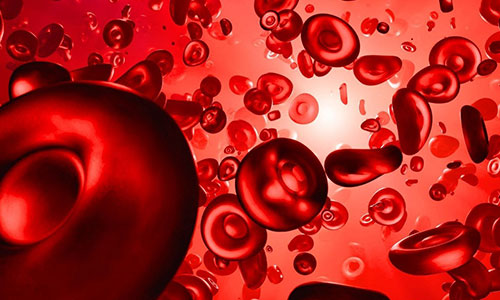
Common Causes of Heart Murmurs in Dogs and Cats
Anything that significantly changes how blood moves through the heart can cause a murmur. Possible causes include:
- Degeneration of heart valves
- Changes to the heart muscle, such as thickening or dilation
- Congenital heart defects(conditions pets are born with)
- Heart wall defects
- Infection
- High blood pressure, either systemic or within the lungs
- Narrowing of blood vesselsnear the heart (stenosis)
- Patent ductus arteriosus (PDA), a congenital condition
- Severe anemiaor other blood disorders
In young pets, murmurs can occasionally be physiologic or benign, meaning they cause no harm and resolve over time. These benign murmurs are far less common in adult and senior pets, which is why further evaluation is often recommended when a murmur is newly discovered.
Why We Recommend a Baseline Heart Work-Up
When a heart murmur is diagnosed for the first time, we typically recommend a baseline cardiac evaluation. This allows us to:
- Identify the causeof the murmur
- Determine whether treatment is needed now
- Establish reference values so we can monitor changes over time
Not every pet will need every test, but the following diagnostics are the most commonly recommended:
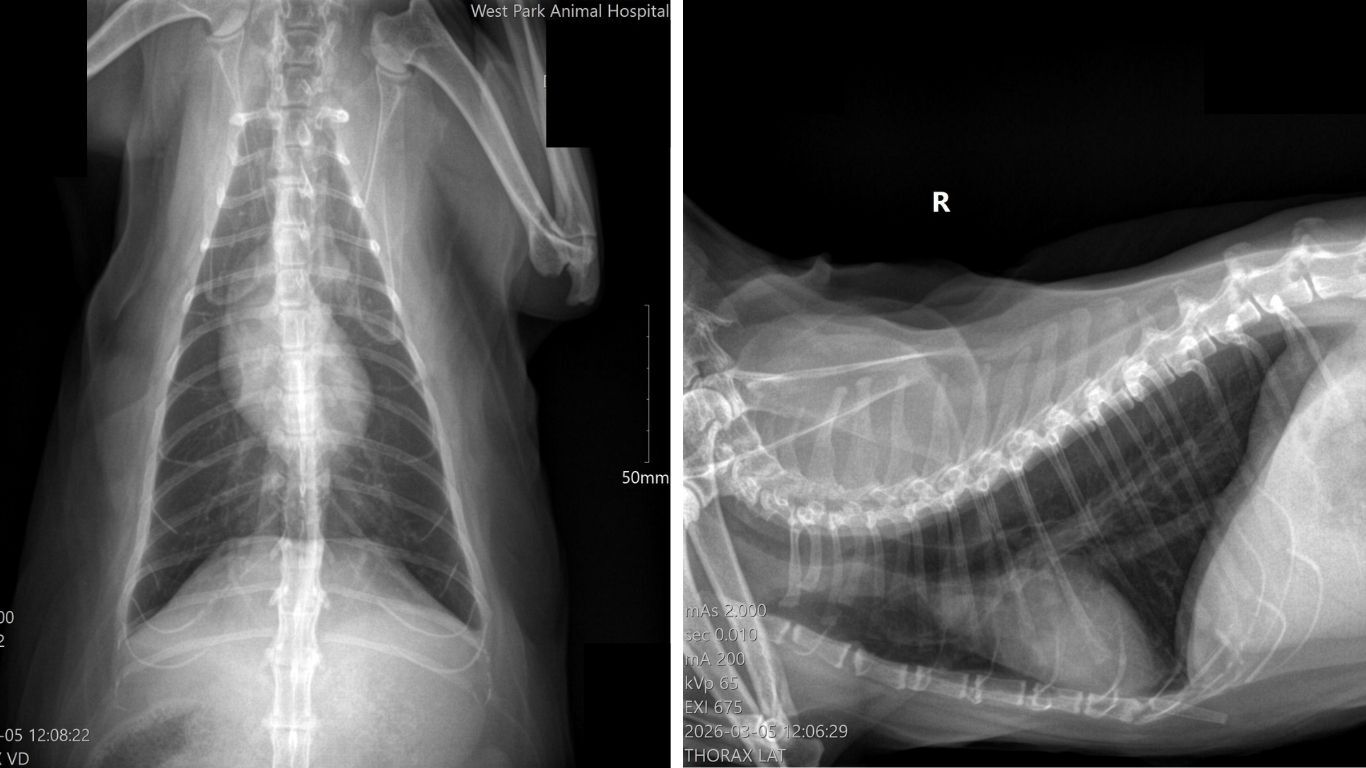
1. Chest X-Rays
Chest radiographs help us evaluate:
- Overall heart size and shape
- Blood vessels in the lungs
- Any signs of fluid buildup related to heart disease
2. Blood Pressure Measurement
High blood pressure can significantly affect blood flow through the heart and may worsen existing heart disease.
3. Echocardiogram (Heart Ultrasound)
An echocardiogram, performed by a veterinary cardiologist, gives us the most detailed information about:
- Heart valves
- Heart chambers
- Muscle thickness and motion
- How efficiently the heart is pumping blood
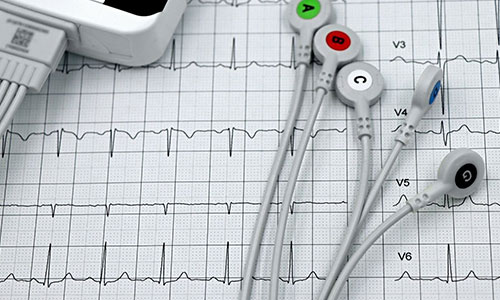
4. ECG (Electrocardiogram)
An ECG measures the heart’s electrical activity. Abnormal electrical signals can lead to irregular heart rhythms that affect blood flow.
5. Baseline Bloodwork
Blood tests help rule out conditions that can contribute to murmurs, including:
- Anemia
- Kidney disease
- Thyroid disease
We may also measure proBNP, a cardiac biomarker that can give insight into how much strain the heart is experiencing. Baseline values help us track disease progression and medication response over time.
Treatment Options for Pets with Heart Disease
In the early stages of heart disease, many pets require no medication at all. The heart may be compensating well, and careful monitoring is often the best approach.
When treatment is needed, options may include:
- Medications to lower blood pressure
- Drugs to improve heart muscle contraction
- Therapies that reduce the heart’s workload
- Medications to help alleviate fluid that may be building up in the lungs or elsewhere
While most heart conditions cannot be cured, treatment often slows progression and significantly improves quality of life—sometimes extending a pet’s life by years.
Certain congenital conditions, such as patent ductus arteriosus or vessel stenosis, may be surgically correctable, particularly when diagnosed early in young pets.
Signs of Heart Disease to Monitor at Home
Even with normal baseline testing, monitoring at home is important. Early signs of heart disease progression may include:
- Coughing
- Decreased activity or lethargy
- Increased resting respiratory rate
To measure breathing rate:
- Count breaths for one full minute while your pet is asleep
- Normal is under 30 breaths per minute
- Many healthy pets rest between 8–16 breaths per minute
Tracking this weekly can help identify subtle trends.
More severe signs require immediate veterinary care and include:
- Difficulty breathing or gasping
- Collapse
- Sudden weakness or paralysis
- Blue or purple gums or tongue
- Sudden death
Heart Disease in Cats: A Special Consideration
Heart disease in cats can be especially challenging to detect. Many cats with significant heart disease:
- Do not have a murmur
- Do not have an abnormal heart rhythm
- Show very subtle or no early symptoms
Additionally, murmur loudness in cats often does not reflect disease severity.
Cats are also more prone to developing blood clots that can suddenly block blood flow to the legs, brain, or other organs. In some cases, this may be the first sign of underlying heart disease.
Cats with conditions such as hyperthyroidism or kidney disease are at higher risk for secondary heart changes, making bloodwork particularly important in these patients.
A Thoughtful, Proactive Approach
A new heart murmur doesn’t always mean immediate trouble—but it does deserve thoughtful evaluation. By establishing a clear baseline and monitoring changes over time, we can make informed decisions that prioritize your pet’s comfort, longevity, and quality of life.
If you ever notice changes at home or have questions about heart disease in pets, our team is here to guide you—every step of the way.
Frequently Asked Questions About Heart Murmurs in Pets
Does a heart murmur mean my pet has heart disease?
Not necessarily. A heart murmur is a sound caused by turbulent blood flow—it is not a diagnosis by itself. Some murmurs are benign, especially in young pets, while others are early signs of heart disease. Diagnostic testing helps us understand whether the murmur is clinically significant.
Can a pet live a normal life with a heart murmur?
Many pets with heart murmurs live long, comfortable lives, especially when the condition is identified early and monitored appropriately. Some pets never require treatment, while others benefit from medications or lifestyle adjustments that support heart function.
Is a louder heart murmur more dangerous?
Not always. The loudness (grade) of a murmur does not consistently reflect disease severity—particularly in cats. A soft murmur may be associated with serious disease, while a louder murmur may be relatively mild. This is why imaging and diagnostics are so important.
Why does my veterinarian recommend testing if my pet seems fine?
Heart disease often progresses silently before symptoms appear. Baseline testing allows us to identify changes early, monitor trends over time, and intervene thoughtfully—often before your pet feels unwell.
Do all pets with heart murmurs need medication?
No. In early or well-compensated stages of heart disease, treatment may not be necessary. When medication is recommended, the goal is to support the heart and slow progression, not simply to treat a number or sound.
What signs at home should prompt a call to the veterinarian?
Contact your veterinary team if you notice coughing, decreased activity, increased breathing rate at rest, difficulty breathing, collapse, sudden weakness, or blue or purple gums. These signs may indicate progression of heart disease and should be evaluated promptly.
Ensuring your pet’s comfort and happiness is our priority, and the veterinarians and staff at West Park Animal Hospital are here to help. Our team can guide you through the initial murmur diagnosis, the testing involved in finding answers and treatment options and monitoring over time.
We design our appointments to allow ample time for discussion, questions, and individualized care planning—because your dog deserves nothing less.
If you’d like to talk more about your pet’s needs, you can call us at (813) 749-6863 or schedule an appointment through our website.




Leave A Comment